
AMWUA Blog
BY: AMWUA StaffSummer Landscaping Mistakes That Hurt Your Plants
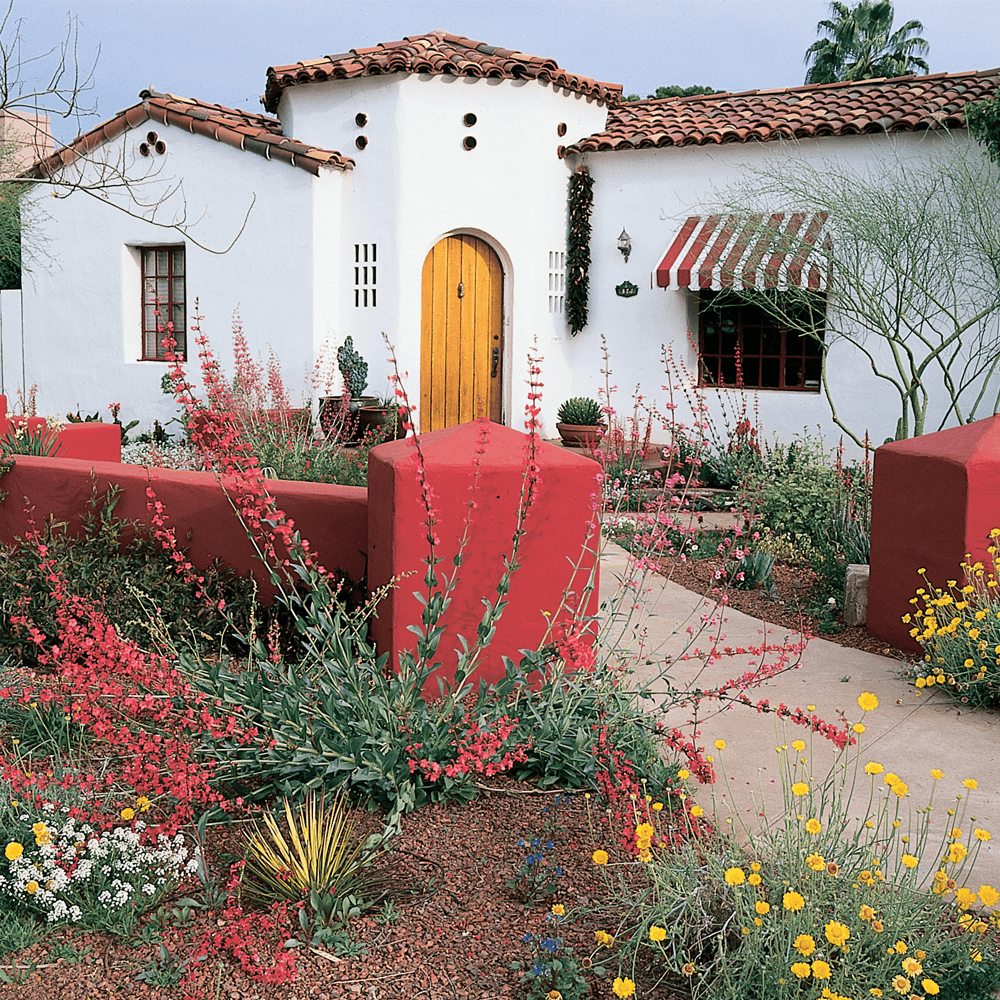
Desert-adapted plants are highly resilient, but they still need extra support when summer temperatures rise. Many well-meaning homeowners unknowingly choose options that harm their landscape in the hottest months. Here are five common mistakes to avoid this summer, along with tips to prevent or minimize damage to your plants.
Mistake #1: Running Irrigation in Short, Frequent Bursts
It seems logical to water more often when it's hot — but frequent short cycles often do more harm than good. When summer temperatures peak and humidity is low, short watering sessions evaporate before they ever reach the roots.
Instead, water deeply once or twice a week, depending on your plant types, and use the "cycle and soak" method. Run your irrigation just to the point of runoff, shut it off for 30–60 minutes, then water again. This allows moisture to penetrate deep into the soil, where the clay layers act as a natural reservoir for desert plants.
It’s important to note that many desert plants, such as cacti, require watering only every 18 to 20 days—and only if the monsoon season doesn’t supply enough natural moisture.
Mistake #2: Adjusting Your Irrigation Only Twice a Year
Seasonal set-and-forget irrigation wastes water and money. Adjusting your watering schedule monthly can reduce your water bill by up to 30 percent and keep your plants properly hydrated as conditions change.
Smart irrigation controllers automatically adjust watering cycles based on weather conditions and soil moisture levels, and many Arizona cities offer rebates for installing them. Check with your city's water department for current rebate programs. To receive a monthly reminder with that month's specific watering guide, text WHENTOWATER to 1-844-416-1428.
Mistake #3: Ignoring Your Irrigation System
Because irrigation systems typically run at night, broken emitters and underground leaks can go unnoticed for weeks. A single broken sprinkler head can waste up to 7 gallons of drinking water per minute, and a leak anywhere in the system means some plants are quietly going without.
The solution is simple. Walk your yard periodically and watch for unexplained spikes in your water bill. Turn on your irrigation system manually once a month to spot leaks, and ask your landscaper to do the same during their visits. AMWUA's Smart Home Water Guide provides step-by-step guidance on locating and fixing leaks, and many member cities offer free irrigation classes.
Mistake #4: Thinning Your Trees
Thinning a tree by removing inner branches while leaving heavy growth at the tips — a practice known as lion-tail pruning — is among the most damaging things you can do to a desert tree. It exposes inner bark to sun damage, removes the leaves that fuel the tree's energy, and shifts all the weight to the branch tips, making them far more likely to snap in monsoon winds.
To avoid this damage, aim to prune just before spring growth begins. Limit cuts to the outer 20 percent of the canopy and never remove more than 25 percent of the living leaves, stems, or branches in a single year.
Mistake #5: Shearing and Over-Pruning Desert Shrubs
Shearing desert-adapted shrubs strips away the natural foliage that shades their inner core and roots from intense sun. Without that protection, the interior becomes woody and starved of sunlight, and the plant gradually deteriorates from the inside out.
Instead, leave shrubs untouched in summer. Prune lightly during cooler weather, and before planting anything new, make sure it has enough room to grow to its natural size — reducing the need for heavy pruning down the road.
Bonus Tip: Don’t Forget That the Sun Moves
In summer, the sun rises farther north than in winter. Plants that thrive in a shady spot from October through April may suddenly face brutal afternoon sun by June. Potted plants are especially vulnerable.
If you are able, move container plants to shadier spots on your porch or in your yard as the season shifts. For plants in the ground, consider fast-growing shade trees like Palo Verde, or add a shade sail to protect vulnerable areas. If you're planning or redesigning your landscape, track how sun exposure changes with the seasons before deciding where to plant; AMWUA’s Landscape Plants for the Arizona Desert can help you match the right plants to the right spots.
Living in the desert, we understand that our summers can be challenging, so we must take the necessary precautions to help our plants without harming them. For additional landscape and watering information, visit our Conservation Webpage.
For 57 years, the Arizona Municipal Water Users Association has worked to protect our member cities' ability to provide assured, safe, and sustainable water supplies to their communities — Avondale, Chandler, Gilbert, Glendale, Goodyear, Mesa, Peoria, Phoenix, Scottsdale, and Tempe. For more information, visit amwua.org.