
How to Conserve
Water Waste
Water waste happens when water is lost because of leaks, poorly maintained or broken equipment, using water devices incorrectly, or water going where it should not. Everyone has a role in preventing water waste, which helps protect our water supply. You can help by regularly checking your irrigation and water-using equipment, fixing leaks quickly, adjusting watering schedules, and using local conservation resources for guidance. The information below explains how to spot and fix common water waste problems at homes, businesses, and other properties. Since rules, restrictions, and enforcement are different depending on your city or water provider, be sure to check with your utility for local requirements.
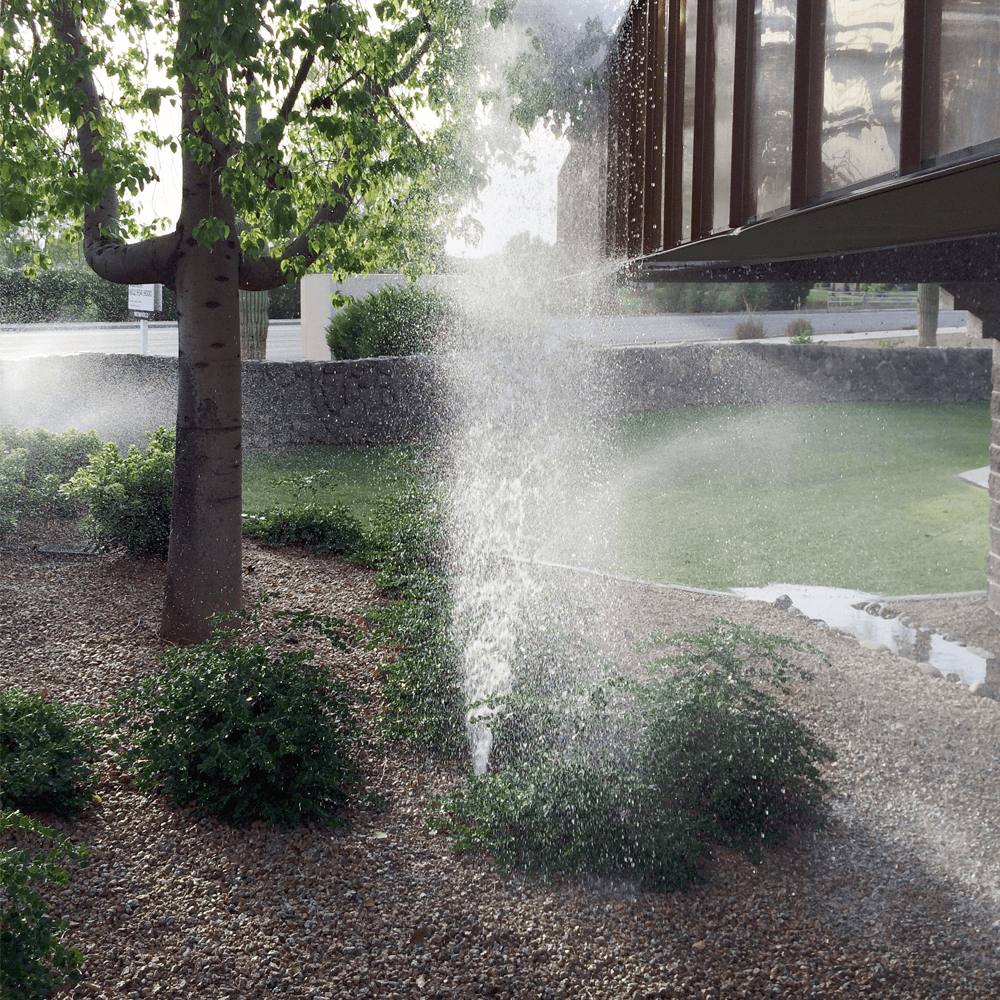
Irrigation System Malfunctions
A properly working irrigation system delivers water only where and when it is needed. Broken equipment, leaks, controller problems, and poor maintenance can waste a large amount of water, often before the problem is noticed.
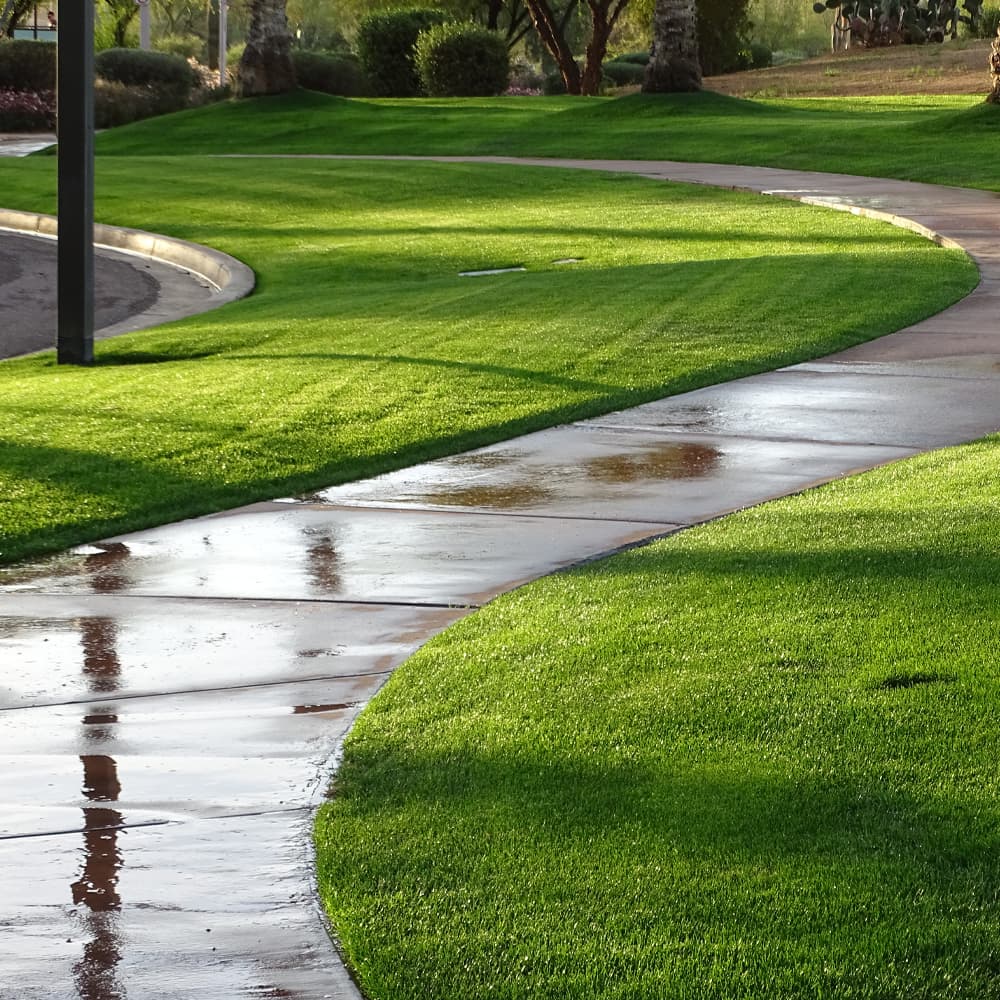
Irrigation Runoff, Overspray, and Ponding
Irrigation water is wasted when it runs onto hard surfaces, sprays outside your landscape, or pools instead of soaking into the ground. This can happen because of long watering times, sprinklers that are not set right, sloped yards, damaged basins, or packed soil.
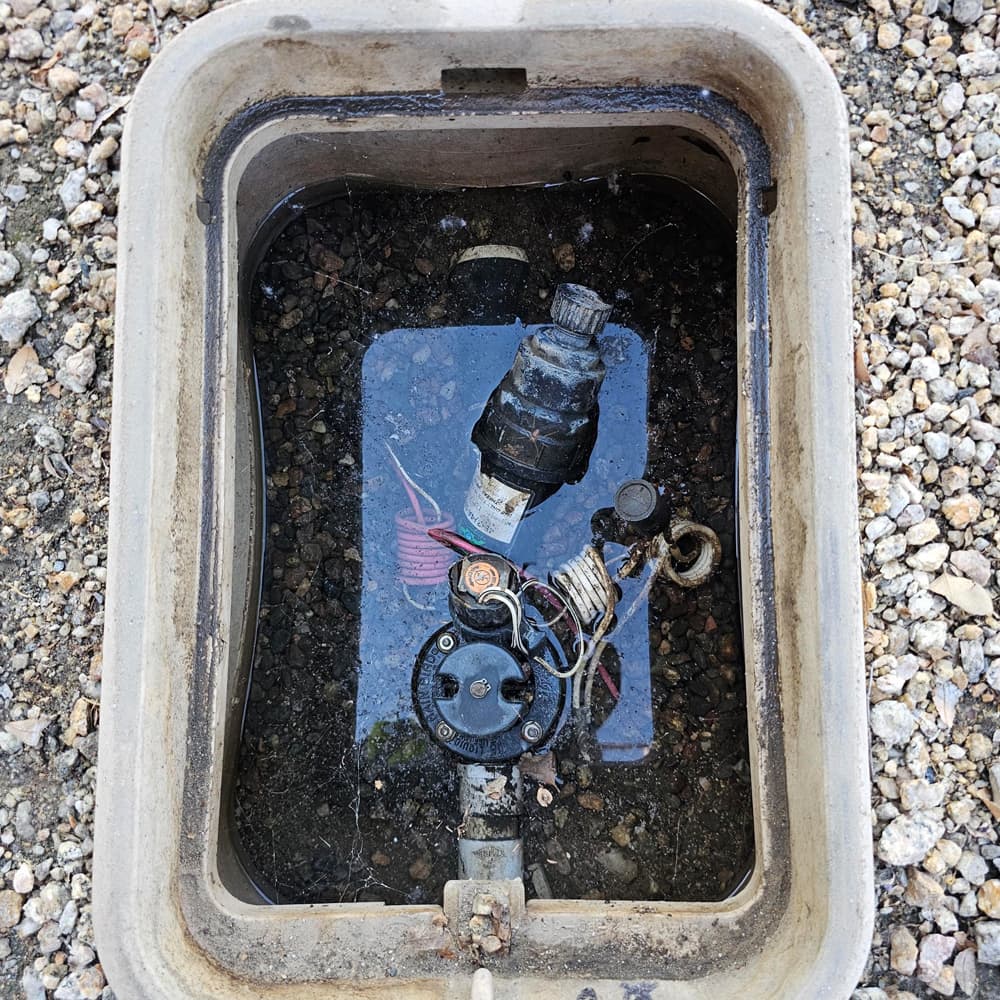
Pools, Spas, and Water Features
Pools, spas, ponds, fountains, and other water features are made to hold and recirculate water. Leaks, overflow, equipment problems, and using them incorrectly can lead to unnecessary water loss.
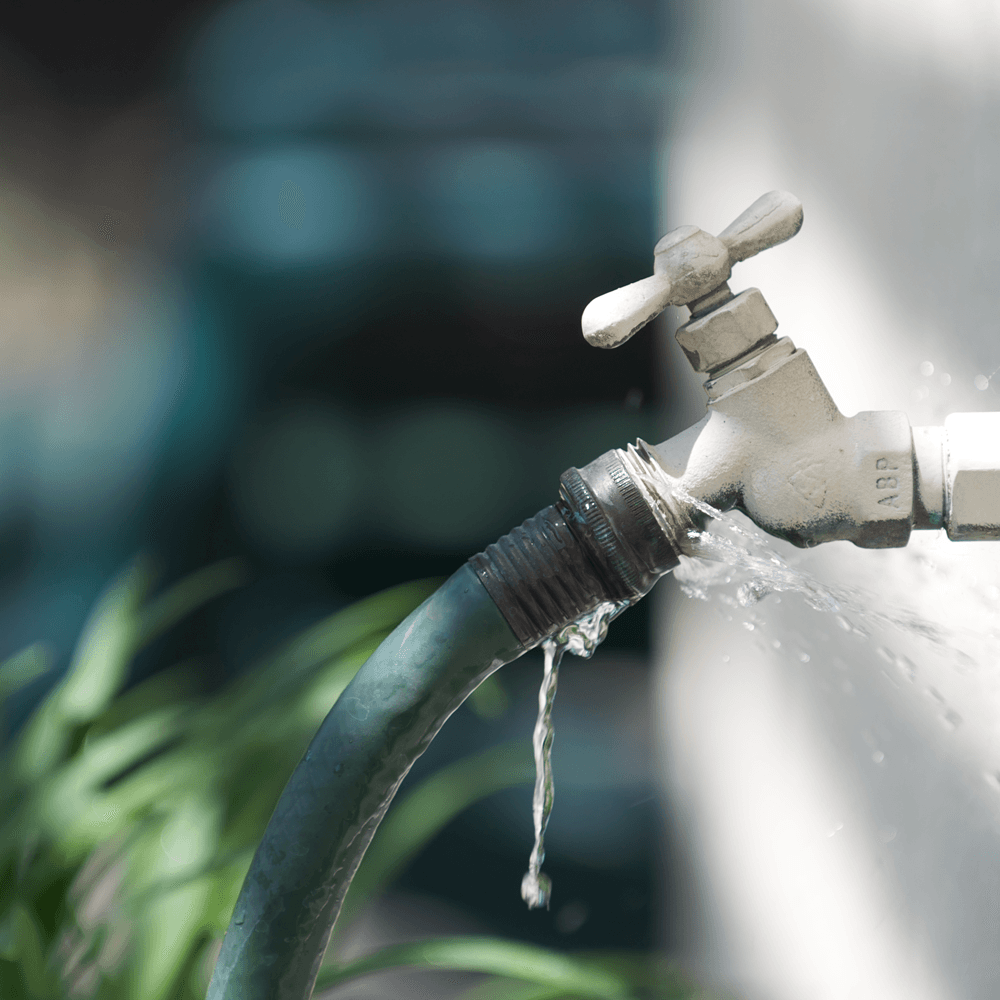
Hoses, Outdoor Faucets, and Supply Lines
Small leaks from hoses, outdoor faucets, and water lines can go unnoticed and waste a lot of water over time. Fixing them quickly can reduce water waste and help prevent damage to your yard, pavement, or buildings.
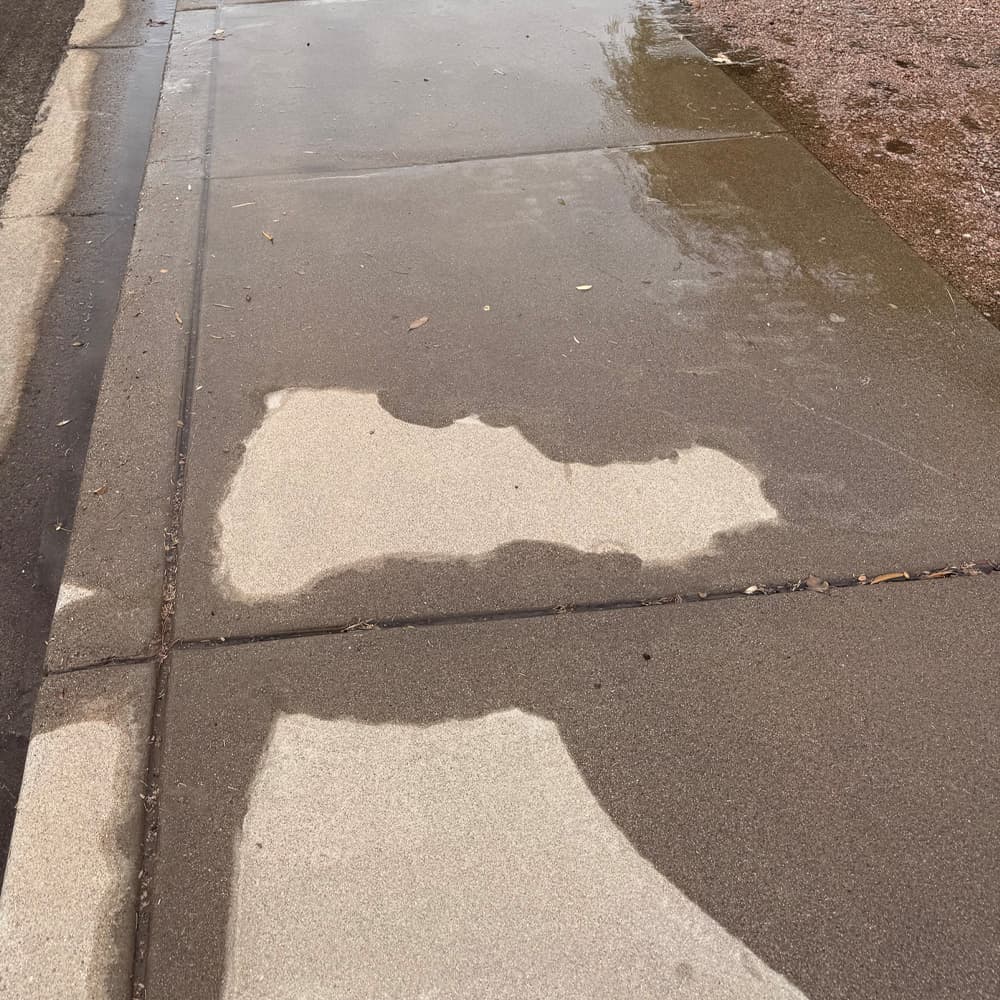
Washing and Cleaning
When cleaning vehicles, equipment, buildings, sidewalks, and other surfaces, keep water within the work area. Using less water and preventing runoff also help protect streets, storm drains, and waterways.
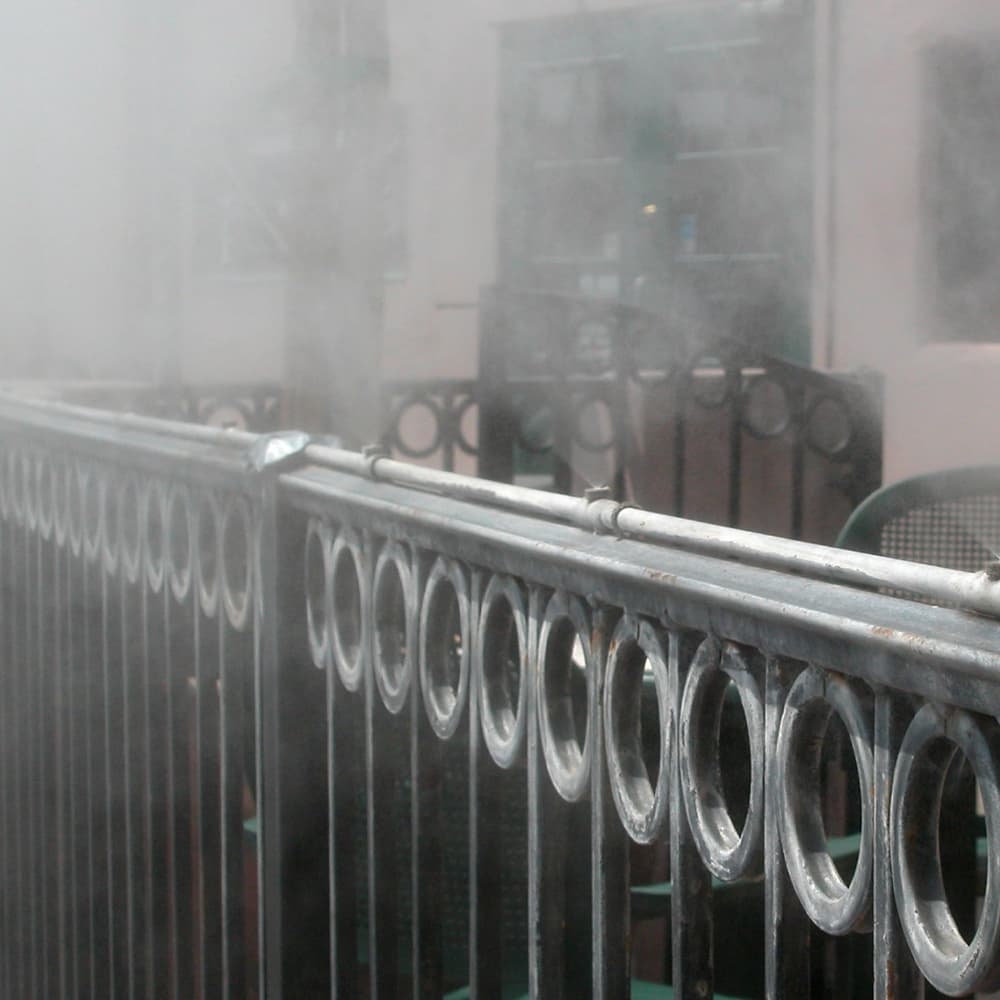
Evaporative Coolers and Misting Systems
Evaporative coolers and misting systems use water to keep things cool and comfortable. Leaks, broken parts, wrong settings, and limited maintenance can cause these systems to use more water than necessary.
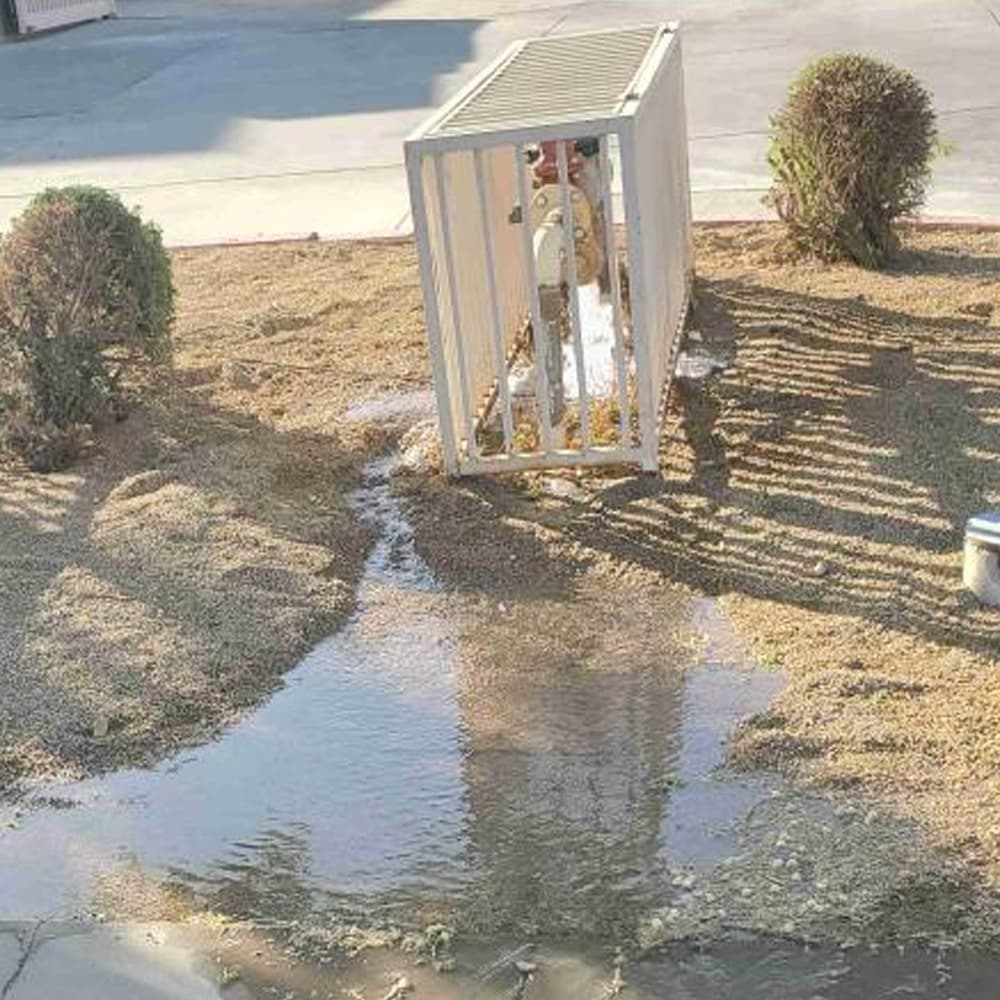
Appliances and Water-Using Equipment
Commercial kitchens, laundries, wash equipment, and other systems can waste water when parts leak, controls fail, or water continues running even after their job is done.
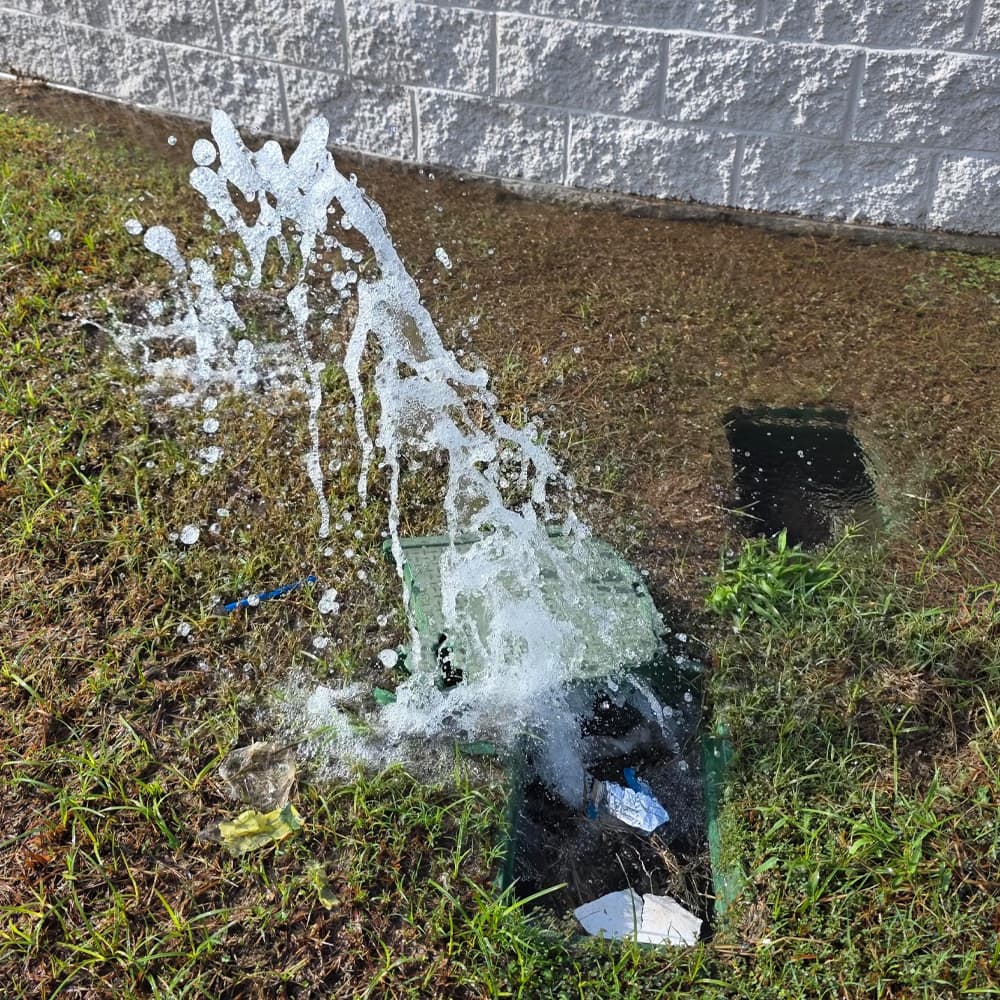
Cooling Towers and Mechanical Systems
Cooling towers and other water-cooled systems can use a lot of water during normal operation. Leaks, overflow, control problems, and poor maintenance can increase both water use and operating costs.
What May Not Be Considered Water Waste
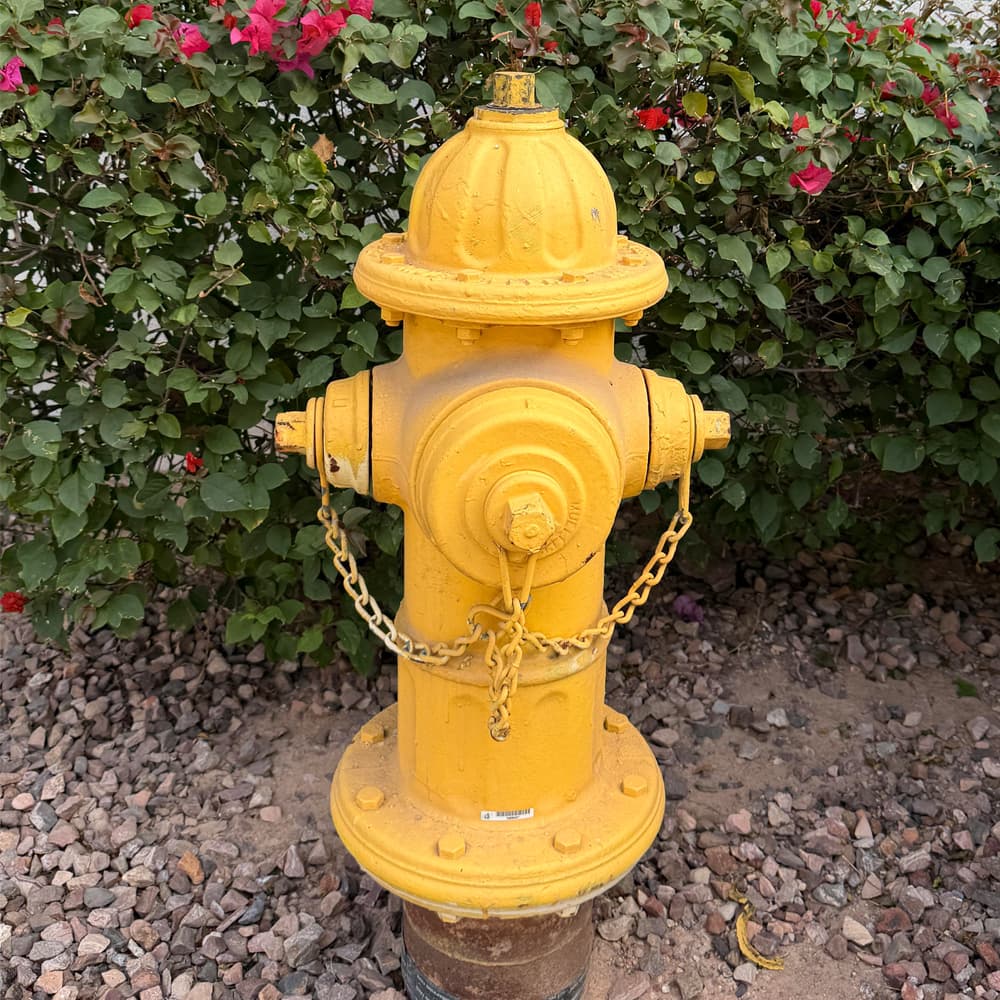
Not all visible water use is considered water waste. In some situations, water use is necessary to protect public health and safety, maintain utility systems, or respond to emergencies.
Water Waste Resources by AMWUA City
Every one of the ten AMWUA member cities prohibits water waste year-round — not just during drought — because a broken valve in February loses just as much water as one in August.