
AMWUA Blog
BY: AMWUA StaffCommon Myths About Desert Landscaping
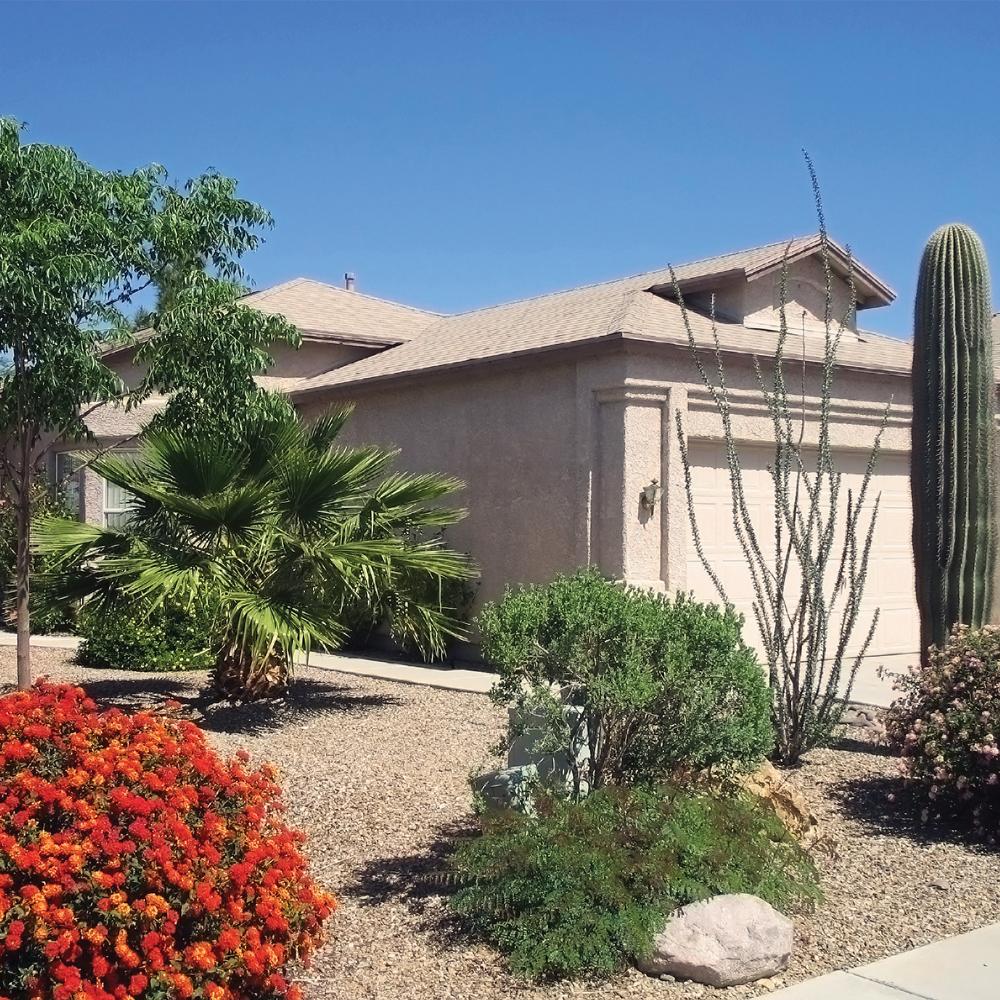
Desert landscaping sometimes gets an unfair rap. When people hear the terms xeriscape or desert-adapted landscaping, they may picture a yard covered in gravel with just one saguaro—but that's far from the whole story. These misconceptions about desert-appropriate yards can cost Valley residents water and money and keep them from exploring beautiful landscaping options. Let's take a closer look at a few of these myths.
Myth: Xeriscaping means no plants, just rocks
Reality: A well-designed xeriscape can be full of life. It’s not about choosing between plants and no plants; it’s about selecting plants suited to our climate, so they can thrive with much less water than a traditional lawn. Many desert-friendly plants also bring a wonderful variety of seasonal color.
Myth: Desert landscaping is just a hotter yard
Reality: It depends on the design. Bare gravel in full sun traps heat, but shade from plants can help cool your yard. Arizona State University researchers found that shade trees effectively cool desert neighborhoods, and desert-adapted trees need less water than lawns. Recent research favors an “oasis” design: low-water plants, shade trees, and functional small green spaces placed where they will be used, not just for looks. Desert trees provide shade for ground, walls, and windows, cooling surfaces and potentially lowering energy bills. That’s why shade trees are key to successful conversions and why many member cities’ landscape conversion rebates require or reward planting them.
Myth: Desert landscaping looks the same everywhere
Reality: There’s a wonderful variety of styles and colors to choose from, ranging from formal, structured designs with saguaros and agave to relaxed, garden-style plantings that resemble a natural desert wash. Your yard can have its own unique look—quite different from your neighbor's—and still save water.
Myth: It's cheaper to keep grass than to convert
Reality: Grass ends up costing more over time, since water, fertilizer, mowing, and pest control expenses add up year after year. Xeriscaping may cost more upfront, but it can help you save in the long run with lower water bills and less upkeep.
Myth: Desert plants don't need any care
Reality: Low-water doesn’t mean no water, especially during the first year. New desert plants need regular watering to grow strong roots before they’re ready to handle dry conditions. Once established, they need much less water, but it’s still a good idea to check on them from time to time—especially with our record-breaking summer temperatures. That said, a desert landscape will save you the time you used to spend maintaining water-thirsty landscapes such as grass.
Myth: You have to rip everything out and start over
Reality: You don’t have to transform your yard all at once. Many people make changes gradually, replacing one water-thirsty area this year and another next year. This gives you a chance to spread out both the cost and the work.
Myth: Once the grass is gone, I can ignore my irrigation
Reality: A landscape conversion is a good time to rethink what gets watered, how often, and for how long. New plants need regular watering while their roots establish. As plants mature, adjust the watering schedule for their needs and the season. If a tree has been getting water from the lawn sprinklers, plan how you’ll water it before turning them off. Run the new system and check for leaks, broken emitters, or water running onto pavement. AMWUA’s seasonal watering guidance and free watering texts give readers an easy next step.
The bottom line
Desert landscaping isn’t about missing out. It’s about choosing plants suited to this region and creating a beautiful yard that works with the climate while reducing outdoor water waste. After all, up to 65% of residential water use happens outdoors, making your yard one of your biggest opportunities to save water.
Here’s how we can help
To show how beautiful desert landscaping is, we’ve created and recently updated two helpful guides. The first features a diverse selection of beautiful, waterwise plants suited to our climate. We’ve also recently published a redesigned, step-by-step guide to creating a sustainable, picturesque, desert-appropriate yard.
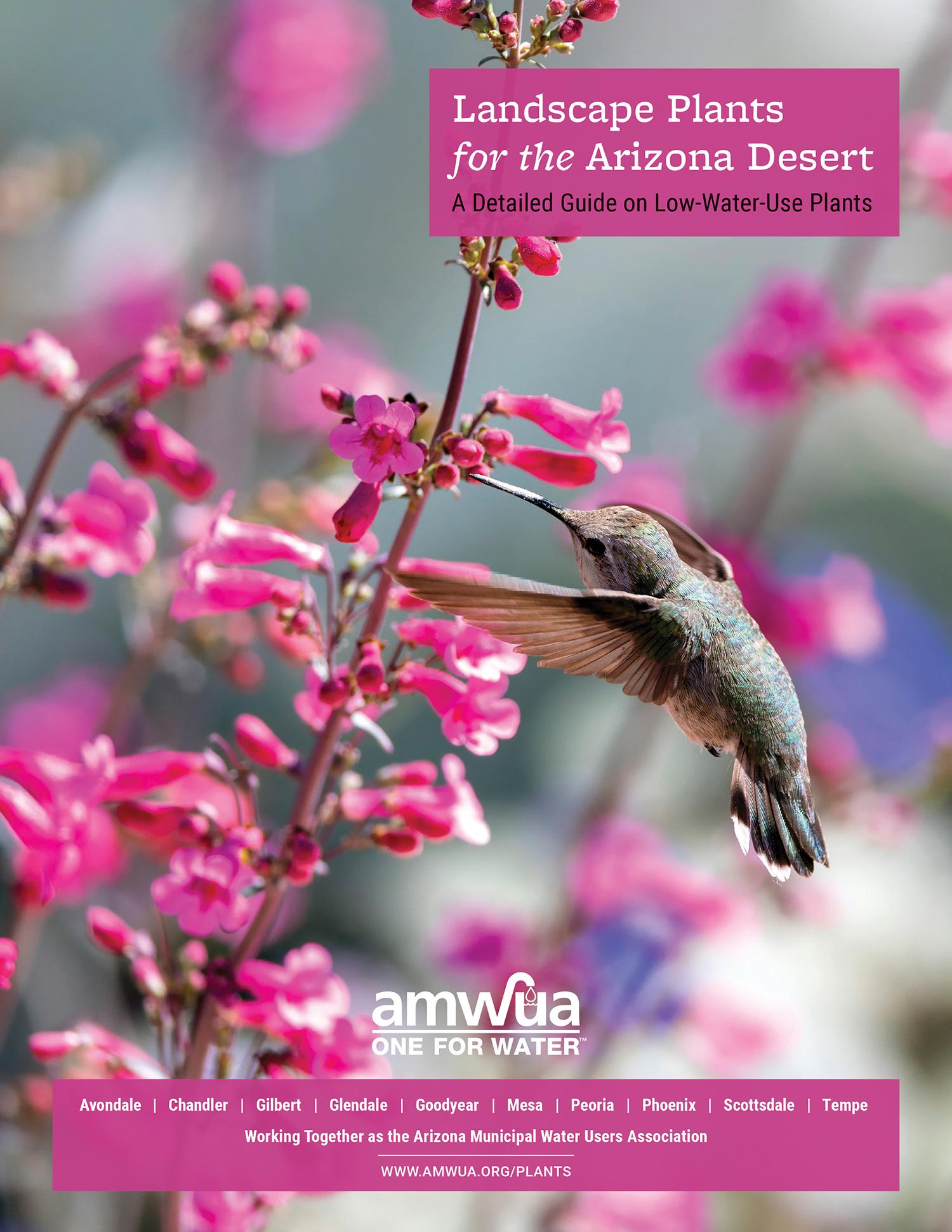
Landscape Plants for the Arizona Desert, a detailed guide to low-water-use plants.
Download a digital copy HERE.
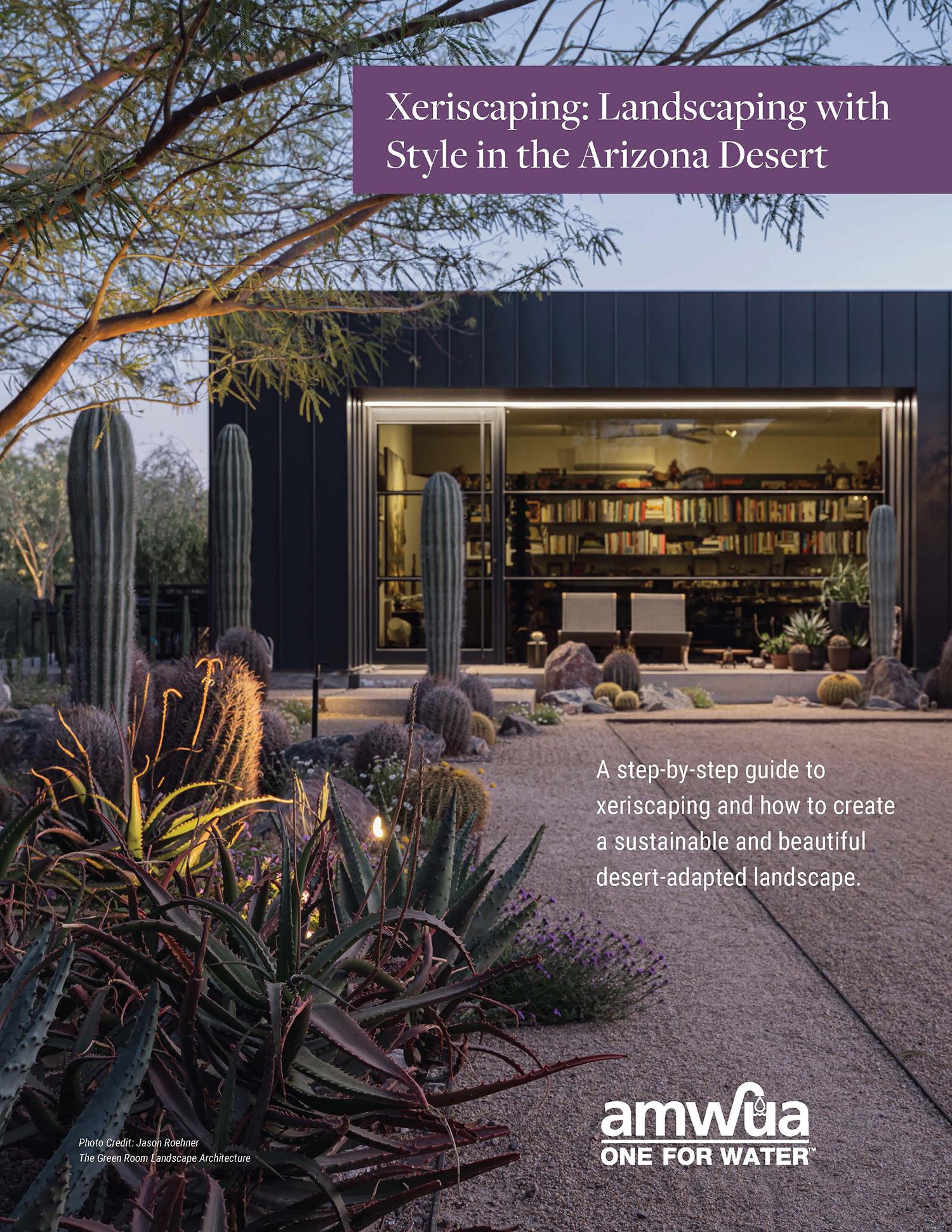
Xeriscaping: Landscaping With Style in the Arizona Desert, a step-by-step guide to creating a sustainable, desert-adapted landscape.
Download a digital copy HERE.
For 57 years, the Arizona Municipal Water Users Association has worked to protect our member cities’ ability to provide assured, safe, and sustainable water supplies to their communities: Avondale, Chandler, Gilbert, Glendale, Goodyear, Mesa, Peoria, Phoenix, Scottsdale, and Tempe. For more information, visit amwua.org.