
AMWUA Blog
BY: AMWUA StaffPrepare Your Desert Landscape for Cooler Weather
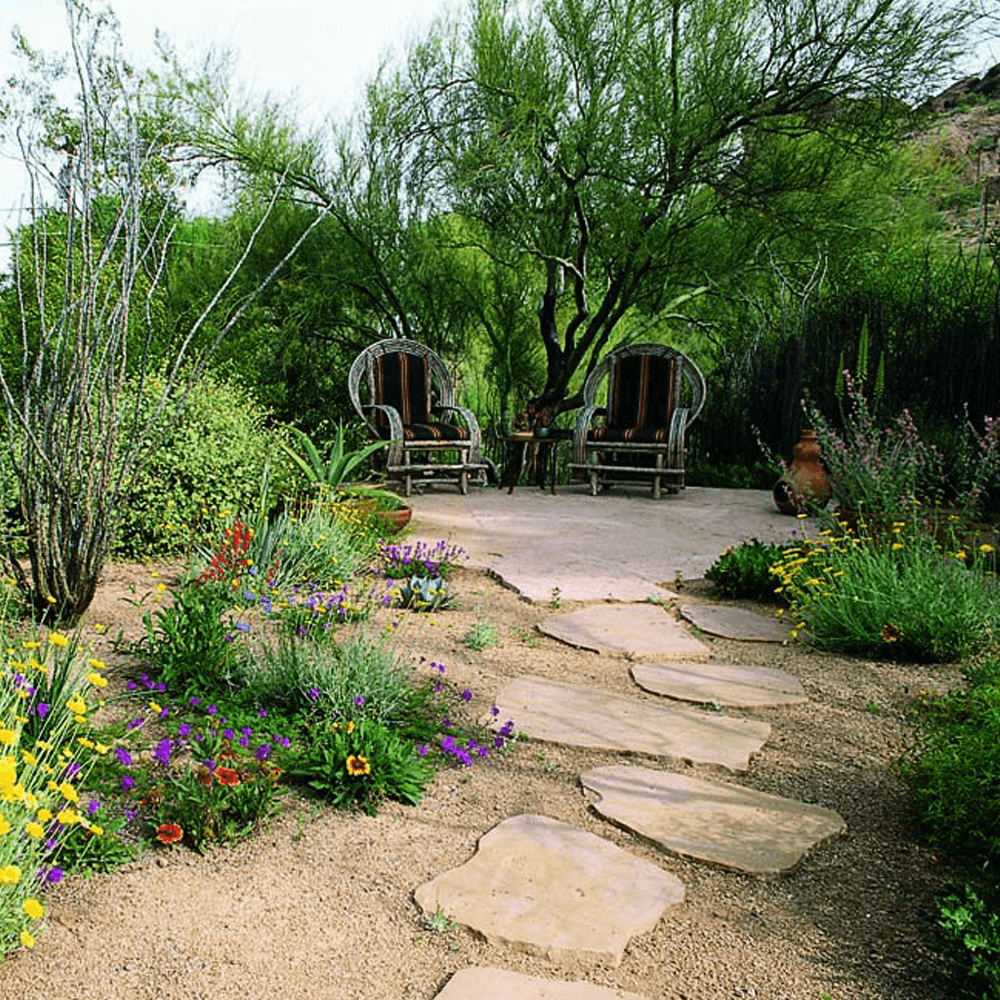
The temperatures have cooled, and while you enjoy the beautiful weather outside, now is the ideal time to prepare your yard for the season. Properly caring for your desert-adapted landscape during these cooler months isn't just about surviving winter—it ensures your yard is in top shape for spring.
Winter Watering
During the winter, your desert plants still require deep watering, but less frequently. Too much water can actually harm desert-adapted trees and plants.
- Trees: Water to a depth of three feet.
- Shrubs: Water to a depth of two feet.
- Ground Cover: Water to a depth of one foot.
- Winter Rye Grass: Water to a depth of a half-foot.
Pro Tip: Measure the depth easily by pushing a soil probe or a sharpened dowel rod into the ground until it meets resistance.
Take the guesswork out of winter watering by texting WHENTOWATER to 1-844-416-1428 and receive a text on the first of each month linking you to our watering page. This resource shows you how often to water everything in your yard—grass, cacti, succulents, and annuals—and even provides instructions for plants with different needs on the same valve.
Also, remember to turn off your irrigation timer during heavy rainstorms to conserve water.
Irrigation System Check-Up
The cool weather makes for perfect outdoor work. Now is the time to check your system before the cold sets in.
- Find and Fix Leaks: Turn on your irrigation system, walk your yard, and identify any leaks or broken components. The AMWUA’s Smart Home Water Guide can help you troubleshoot your water issues.
- Keep the system running: Run your irrigation system for at least a couple of minutes once a month to keep the mechanical parts lubricated and in good shape.
Frost Protection
Start paying close attention to nighttime temperatures. Keep your frost cloth or old sheets ready for vulnerable plants.
- Correct Covering: Drape the cloth over the plant so that it reaches the ground, trapping the radiant heat stored in the soil from the day's sun and creating a pocket of warmer air around the plant. Do not tie the cloth around the trunk.
- Daytime Care: If possible, remove the sheets during the day so the sun can warm the ground again.
- Container Plants: Protect and move your potted plants to a safer spot, such as under an eave, on the patio, or into the garage.
Pruning Precautions
Cold nights and frost can cause some trees and shrubs to turn brown. It’s tempting to grab the clippers, but don't clip the dead parts off yet.
Those damaged, dead parts actually form a protective shield for the plant's tender interior, guarding against further frost damage. Wait until late February or early March, after the danger of frost has passed, to trim away the damaged sections. This is a good reason to keep frost-sensitive plants hidden in the backyard where temporary browning won't spoil your curb appeal.
Hold the Fertilizer
It is not the time of year to fertilize (this includes potted plants, vines, and groundcover). Fertilizing forces new, vulnerable growth that is highly susceptible to cold nights and frost damage.
Pro Tip: Instead of fertilizer, lay down mulch. Mulch holds moisture and discourages weeds that compete with your plants for water and nutrients.
Prepare for Planting
Winter is a great time to plan what you’ll plant next. Selecting the right low-water-use, drought-tolerant plants is crucial for a sustainable desert landscape.
The Landscape Plants for the Arizona Desert book can help you select the best plants for your yard.
- Digital Resource: Explore the searchable website or download a complete digital version. Both are available HERE.
- Get a Physical Copy: Contact your local water conservation office to request a free copy of the updated printed book.
For 56 years, the Arizona Municipal Water Users Association has worked to protect our member cities' ability to provide assured, safe, and sustainable water supplies to their communities. For more water information, visit www.amwua.org.