
AMWUA Blog
BY: AMWUA StaffWater Waste in the Valley: What It Is, Why It Matters, and What You Can Do
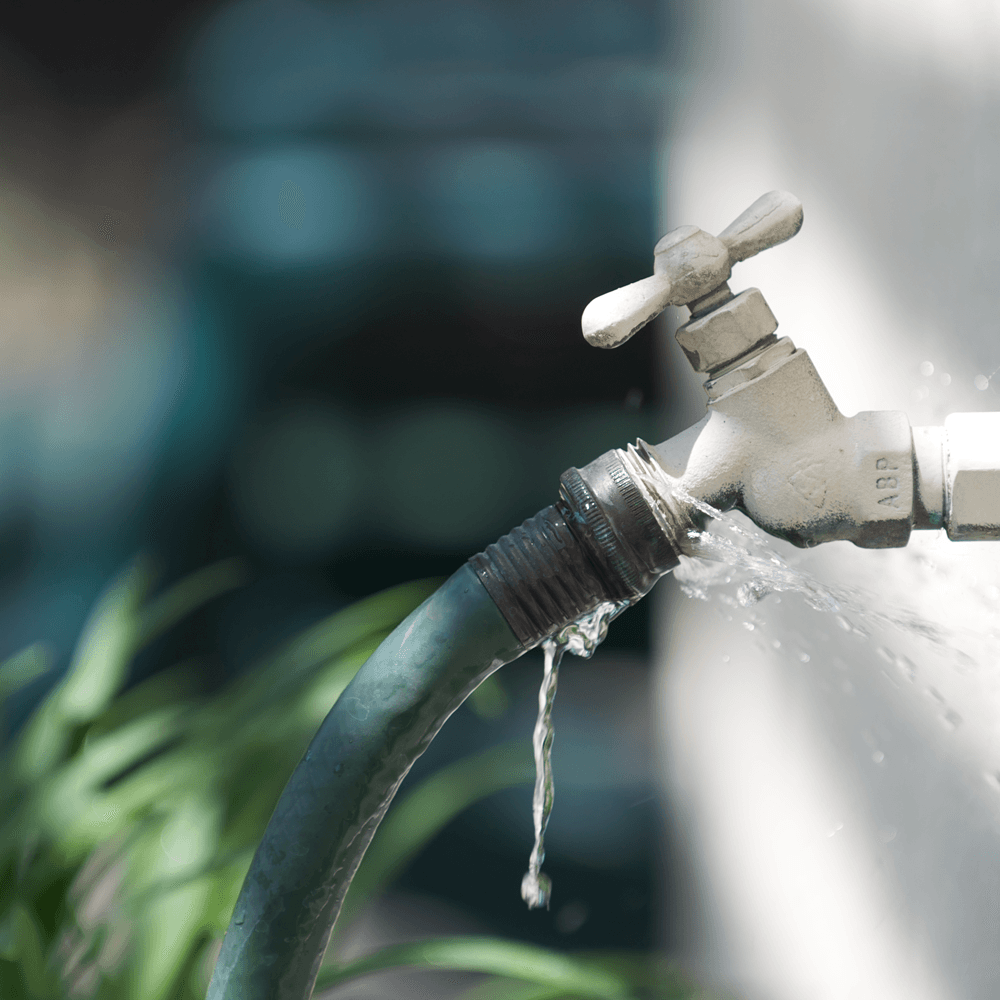
Water waste isn’t just about overuse, like running sprinklers too long, watering in the heat, or leaving the hose on while washing the car. A more common and often unnoticed form occurs when something breaks or goes unrepaired—such as a stuck valve bleeding water between irrigation cycles, a cracked sprinkler head spraying the sidewalk for months, or a slow drip near a hose bib that raises the water bill. This hidden waste could be happening at your property right now.
What water waste is — and is not
AMWUA members generally define water waste as water lost due to broken or leaking equipment, water escaping onto pavement or adjacent property, and failure to repair a known problem after being notified. It is not a judgment about how much water you use or what kind of landscape you have. It targets preventable, correctable conditions — and most of it is unintentional. A slow drip or a partially stuck valve can lose hundreds of gallons a week without being obvious. That is precisely why water waste rules exist.
Why it matters
The AMWUA cities supply water to more than half of Arizona's population while using only 11 percent of the state's water. That achievement reflects decades of careful planning, but it is under pressure. The Colorado River holds junior priority rights through the Central Arizona Project, meaning Valley communities are among the first in line for cuts as river conditions worsen. No conservation program can recover water that should not have been lost in the first place. Everyone has a role in preventing water waste, which helps protect our water supply.
Every one of the ten AMWUA member cities prohibits water waste year-round — not just during drought — because a broken valve in February loses just as much water as one in August.
How to spot water waste at your property
Make it a monthly habit to walk through your yard to check your irrigation system. Turn it on and walk around to make sure everything is working properly. Here is what to look for:
- Runoff and overspray. Water should stay on your landscape. If it is reaching the sidewalk, driveway, or street, check your run time, sprinkler head angle, and pressure. If your soil absorbs water slowly, try cycle-and-soak: split each zone's run time into two shorter intervals, with a break in between, so water has time to soak in before runoff starts. It is one of the most effective techniques for preventing runoff in desert landscapes and one of the most underused.
- Broken, clogged, or missing heads. A cracked or tilted head distributes water unevenly and often sends it where it should not go. Replacement heads are inexpensive and widely available. A missing head should be capped until replaced.
- Stuck or leaking valves. Signs include wet soil in a zone when the system is off, a zone running past its scheduled time, or a water bill higher than expected with no obvious explanation. Stuck valves are among the most common sources of sustained, unnoticed water loss.
- Drip emitter problems. Emitters can clog, shift out of position, fail, or falloff. Water pooling at the surface rather than being absorbed near a plant's root zone is a signal to check that zone. A fully clogged emitter also means a plant is receiving no water at all.
Beyond irrigation, check for drips near outdoor hose bibs and for any outdoor equipment running when it should not.
Water waste by city
Each AMWUA member has an ordinance that prohibits water waste and enforcement that focuses on correction rather than punishment. The first response is almost always a courtesy notice and a connection to free resources. Here is how each city is working to reduce water waste and how to reach them:
- Avondale — The AviWise app and online portal provide easy online water waste reporting. Water efficiency checks by conservation staff can help prevent water waste.
- Chandler — Free site visits to identify and correct irrigation problems. Dedicated online water waste report form on the city website.
- Gilbert — Free residential water check-ups to help identify and correct water waste. Report water waste through the Gilbert 311 app or online.
- Glendale
Water conservation starts at home, and every small step counts. By staying mindful of leaks, making routine checks, and using the resources your city provides, you can play a crucial role in securing our region's water future. Preventing water waste is not just an individual responsibility—it's a community effort that benefits everyone in the Valley. Let's work together
Find more comprehensive details on the most common types of water waste, signs of waste, and recommended solutions on our newly launched water waste webpage.
For 57 years, the Arizona Municipal Water Users Association has worked to protect our member cities' ability to provide assured, safe, and sustainable water supplies to their communities — Avondale, Chandler, Gilbert, Glendale, Goodyear, Mesa, Peoria, Phoenix, Scottsdale, and Tempe. For more information, visit amwua.org.