
AMWUA Blog
BY: AMWUA StaffWhere Does the Water in My Tap Actually Come From?
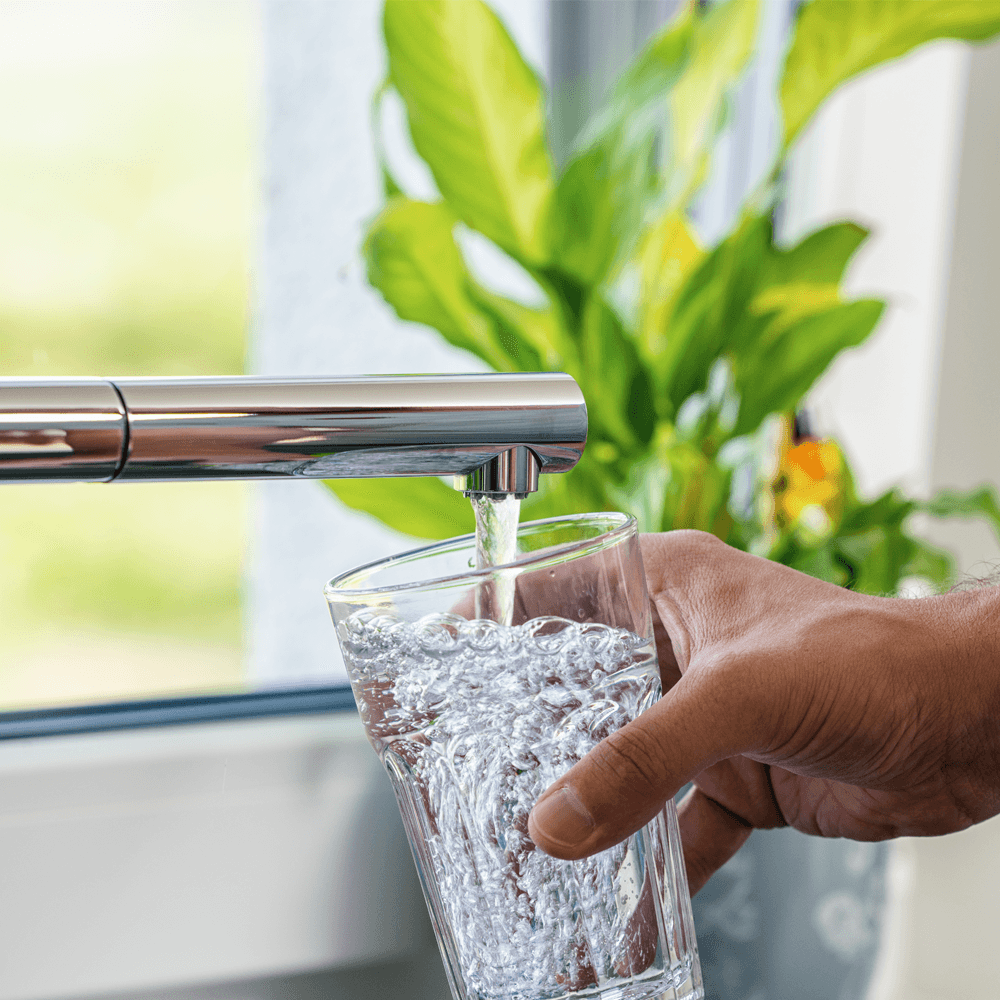
When you turn on the tap in a Valley city, water flows easily, even though it may come from different places. It may have traveled hundreds of miles, crossed deserts and mountains, moved through a network of canals and pipelines, and been managed by generations of Arizonans before reaching your home.
The ten AMWUA cities rely on access to four water sources, each with its own origin story. The exact mix that reaches your home depends on your location and your water provider’s specific portfolio.
Colorado River Water
This source gets the most attention because of expected shortages caused by historic drought, less rainfall, and using more water than the river produces. Even with these issues, the way Colorado River water reaches us through the Central Arizona Project (CAP) is impressive. The 336-mile canal lifts water from Lake Havasu and carries it across the desert to Phoenix, Tucson, and nearby communities. It is one of the largest and most expensive water projects ever built in the U.S. The AMWUA cities have spent billions for decades to make the most of this supply. Now, with much less Colorado River water expected in the future, cities must pivot and invest in new sources along with the infrastructure needed for these projects to replace the water they are losing. Despite the challenges, it is positive that the CAP canal system is in place to move other water supplies as they are developed.
Salt and Verde River Water
All of the ten AMWUA cities utilize a much older water system: the canals built by the Salt River Project (SRP). Some of these canals go back more than a century, even to the time of the Hohokam. Farmers and ranchers pledged their own lands as collateral to secure federal funding to construct Roosevelt Dam (1905 – 1911). SRP dams and reservoirs like Roosevelt Lake, Bartlett Lake, and Horseshoe Reservoir collect water from the Salt and Verde rivers. From there, water travels through more than 131 miles of canals and pipelines to reach city water treatment plants. This system has been updated over time, but it still faces challenges like drought-driven drops in reservoir levels and the need for infrastructure upgrades. SRP and local cities are planning future investments, such as modifying Bartlett Dam, to keep the system reliable.
Groundwater
Every AMWUA city also gets water from local aquifers under the Valley. These aquifers formed over thousands of years as rain and river water slowly seeped underground. Cities access this water through municipal wells and pumping stations. Since 1980, Arizona’s Groundwater Management Act has strictly regulated groundwater use in the state's most populous areas, like Phoenix and Tucson, to prevent these underground reserves from running out. Many cities also add treated water back into aquifers during wet years to save it for the future, but keeping this system sustainable remains a challenge as drought and supply constraints put more pressure on these resources. Overall, the AMWUA cities have reduced their dependence on this water source, so groundwater now makes up only 5% of the water they collectively deliver.
Reclaimed and Recycled Water
When water goes down the drain, it does not just vanish. That water is collected and sent to wastewater treatment plants, where it is treated for reuse. This recycled water irrigates parks, golf courses, and sports fields; cools the Palo Verde Nuclear Power Plant; and supplements local aquifers. To further expand water reuse, some Valley cities are investing in Advanced Water Purification (AWP), which treats water to drinking-water standards and blends it with other supplies. With less Colorado River water, reclaimed water is expected to become increasingly important for Arizona’s long-term water security.
The Bigger Picture
No AMWUA city depends on only one water source. Most use a mix of many, adjusting the blend based on rainfall, canal capacity, community needs, and long-term planning. Ensuring our water security has required years of planning and billions of dollars in investment to diversify our water supplies, especially given the recognition that water certainty always comes first for communities in the desert.
The next time you fill a glass, it will likely contain a mix of Rocky Mountain snowmelt—which we hope will be plentiful over the coming year—river water that predates the state, and groundwater that has been carefully managed for decades. Understanding where your water comes from is an important step toward becoming water-wise here in the desert.
For 57 years, the Arizona Municipal Water Users Association has worked to protect our member cities' ability to provide assured, safe, and sustainable water supplies to their communities — Avondale, Chandler, Gilbert, Glendale, Goodyear, Mesa, Peoria, Phoenix, Scottsdale, and Tempe. For more information, visit amwua.org.