
AMWUA Blog
BY: AMWUA StaffFederal Investment Needed for Colorado River Crisis
Another deadline has passed for the seven Colorado River Basin States to reach consensus on a framework to ensure the river benefits everyone who relies on it after the current operating guidelines expire this year. It remains unclear how the federal government will decide to operate the river in 2027 and what reductions Arizona will face. Whatever operational decision is made, the river is yielding considerably less water, and significant federal investment is needed to manage the Colorado River crisis.
Post-2026 decisions about the Colorado River will have ramifications not just for the seven Basin States but for the whole country. The Colorado River is a lifeline for 43 million people, and it fuels major industries critical to national security and the economy. The river is vital for tribal communities and for agriculture that produces food across the country.
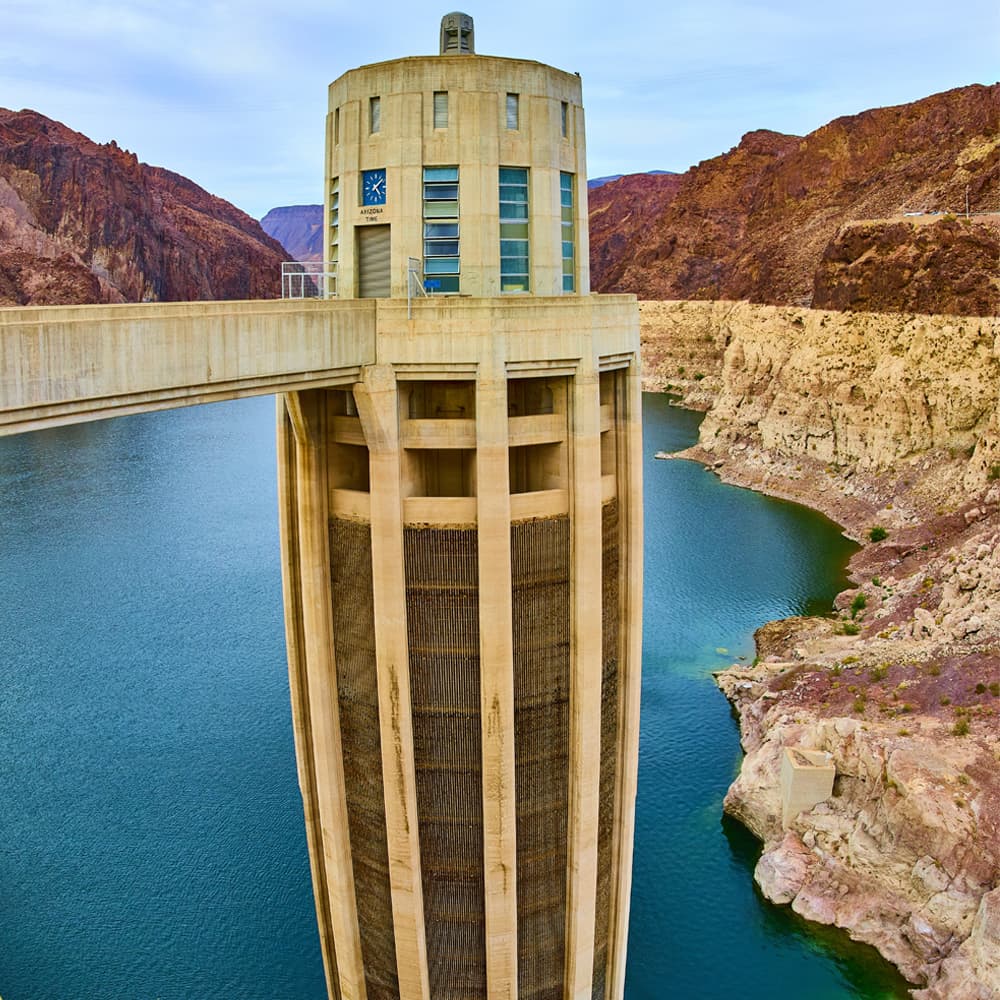
Looming over any action taken is the reality that the Colorado River is producing less available water. A warmer, drier Colorado River Basin, compounded by a megadrought over the last 25 years and historic overallocation, has left Lake Mead and Lake Powell at only 30% full. Intensifying an already critical situation is this winter in the Colorado River Basin is on track to be the worst ever. Ski slopes are bare, and temperatures are in the 50 and 60 degrees. The Colorado River system is dangerously close to where water may not be able to flow past Glen Canyon Dam, and electricity cannot be produced by the end of this year.
Whatever is decided for river deliveries in 2027, those guidelines cannot, on their own, generate new supplies or solve supply and demand imbalances. The Colorado River Basin is at risk of chronic shortages, energy grid vulnerability, food supply disruptions, and economic instability. Much more will be needed to protect and ensure the long-term viability of the Colorado River, especially given its current hydrology.
Cooperation among states and tribal governments is clearly needed, regardless of how elusive such collaboration is right now. Yet, equally vital, the federal government will need to make sustained investments in proven water security solutions, including infrastructure upgrades, water conservation measures, water reliability initiatives, along with watershed health and restoration.
Our willingness to invest federal funding in strategies that sustainably reduce water use or improve the reliability of our existing water supplies will determine both the success of any agreement between states and the future of the Colorado River Basin.
This is a pivotal moment to demonstrate the American West’s leadership in modern water management and economic strength. With durable, results-driven investment alongside effective operating guidelines, we can ensure the water security provided by the Colorado River for food production, clean drinking water, energy reliability, and economic prosperity not just for the West, but for our Nation.
For 57 years, the Arizona Municipal Water Users Association has helped protect our member cities' ability to provide their communities with assured, safe, and sustainable water supplies. For more information, visit www.amwua.org.